Office building brains, home app simple
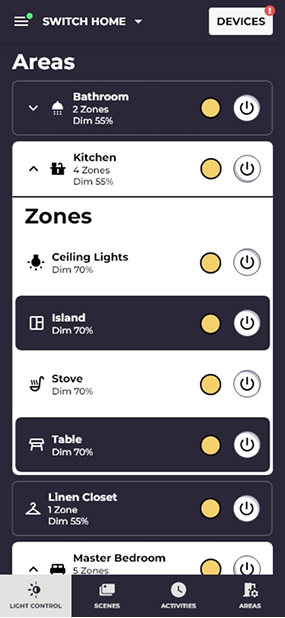
The company already made lighting for offices and hospitals: bulbs that pass signals to one another, light that shifts warm and cool as the day goes on, one place to run a whole building of them. The idea was to put all of that in a house, and make it feel like a light switch.
The catch: at work, people put up with a clunky tool because it is their job. At home, nobody does. Fumble once and the app gets buried on the last screen, and the lights go back to being ordinary lights. So every screen had to hide the complicated part without throwing it away.
Powerful, without the headache
Three problems shaped every screen. Each one had to be solved outright, not split the difference on.
Everything you use, one tap away
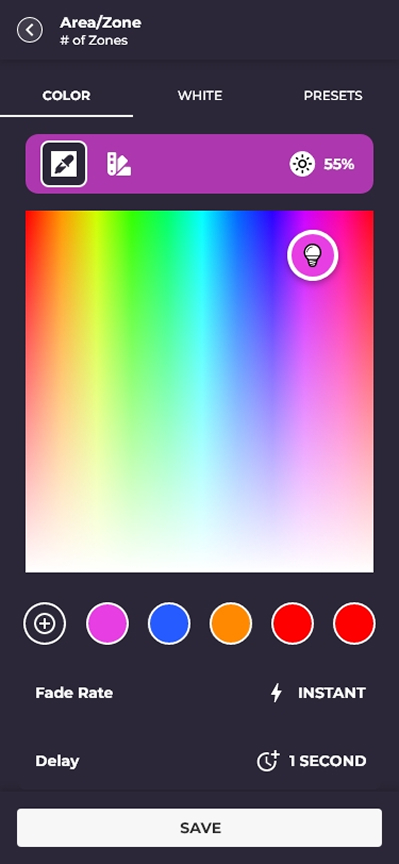
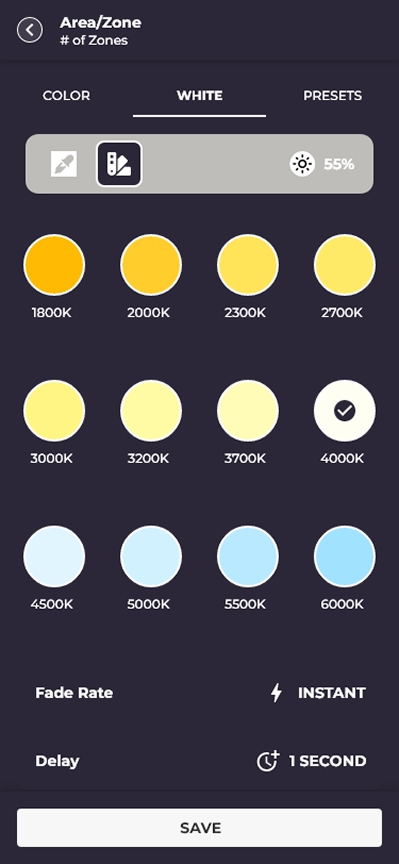
Any colour, soft white, warm through to cool, or a saved look like Movie Night. One picker that changes shape to match however you happen to be thinking about light right now, with no settings maze to dig through.
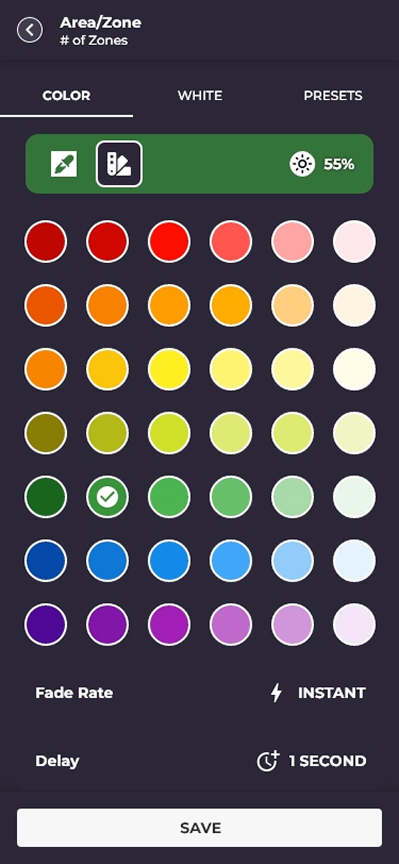
Hide the wiring, keep the power
Everything a tinkerer could want is still in there. Someone who just wants the lights on never has to meet it. The app earns trust by staying calm, and goes deep only when you ask it to.
How do you set up a network for someone who never wants to know it exists?
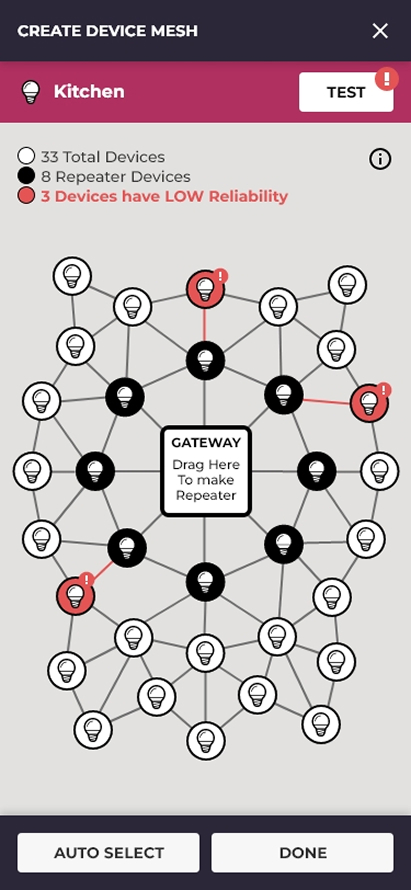
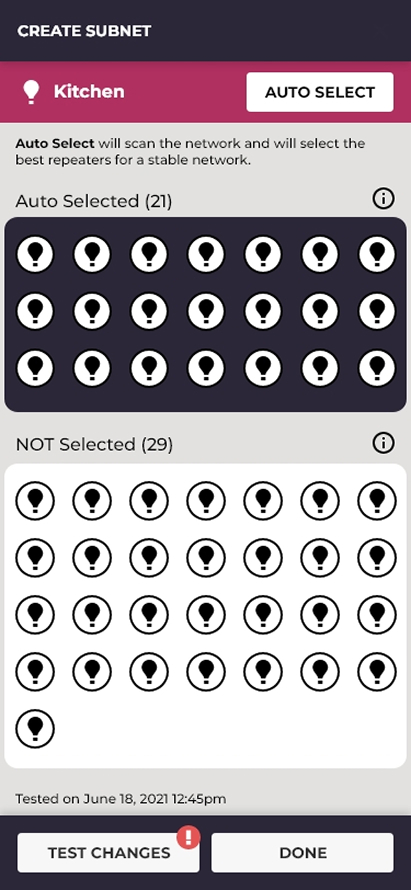
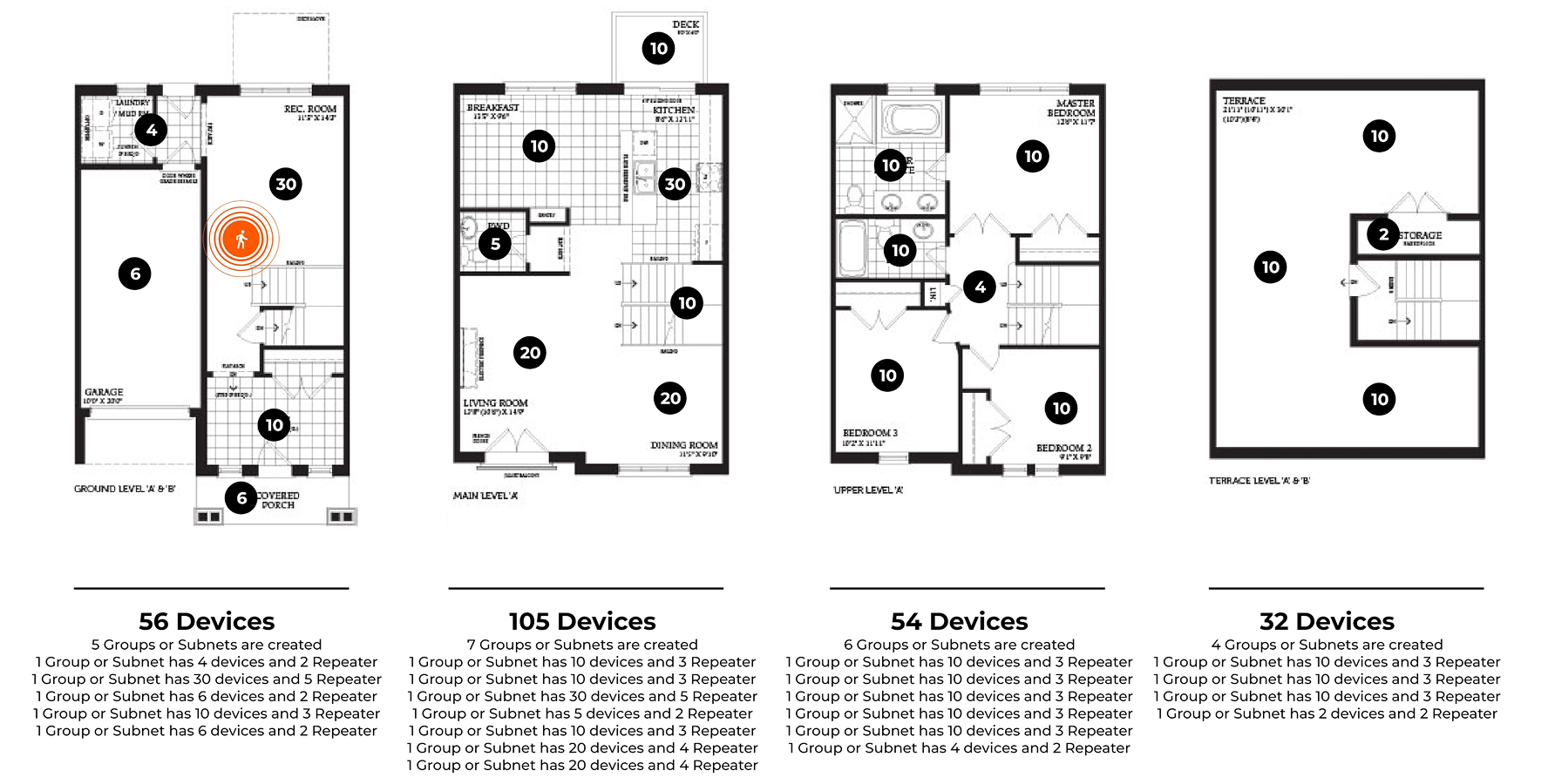
Nobody has to understand the technology if they can read a picture of it. Every dot is a light. A filled dot is doing extra work, passing the signal along to the ones further away, which the screen calls a repeater. A coral dot marked with an exclamation mark is struggling. We put forward four versions, click through them. The first one is rebuilt and working right there in the phone.
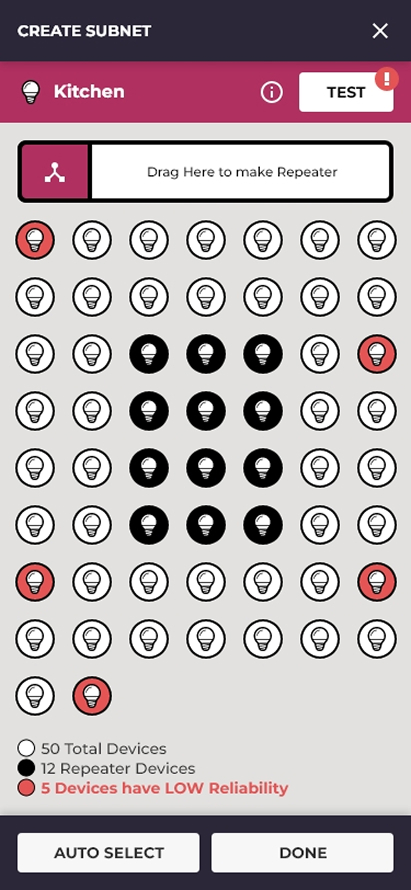
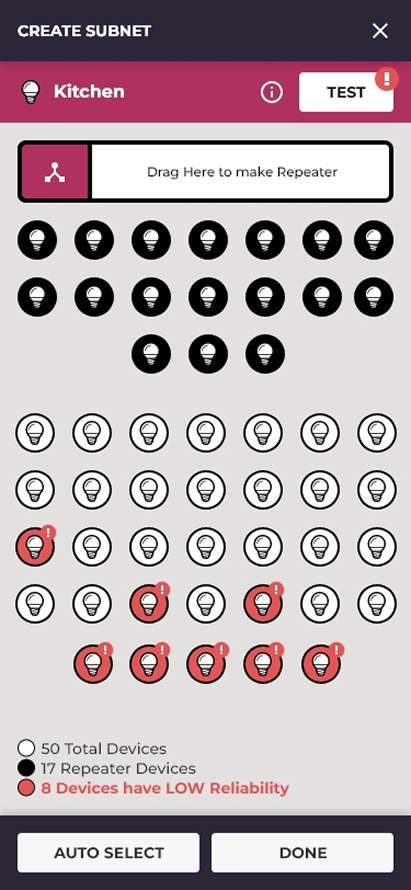
A real map of every light in the house. Drag any one of them onto the gateway box and it starts relaying the signal to the lights around it. A coral dot marked with an exclamation mark is one that is struggling. Powerful, but it asked a homeowner to think like a network engineer. This phone is a working rebuild: drag a flagged light onto the gateway, then press TEST.
The same map works for a 32 light condo and a 247 light house. The app does the sorting: which lights belong together, and which ones relay the signal onward. In the big example: 247 lights, 66 of them relaying, sorted into 22 groups, all worked out by the app.
A network you never have to think about
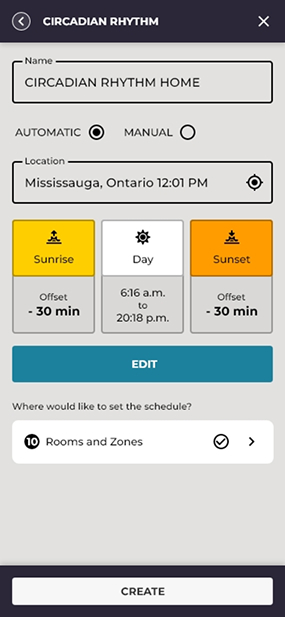
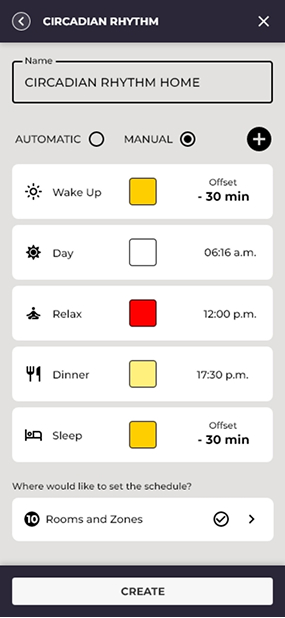
One map that works for a condo or a big house. Light that shifts with the day on its own. And a building manager can run a whole set of homes from one place. None of it asks you to know how the lights talk to each other.
How big this gets
Nobody needs to understand how the lights talk to each other. They just need to trust that they do. Making the complicated part disappear is the whole job.