Parlay Games
iGaming at production scale
Two decades designing for the patent holder and world leader in online bingo: 50+ games, the brands they wore, the sites they lived on, the promotions that filled them, and the console operators ran them from. This is the chapter before the IoT and operations work, and the reason that work looks the way it does.
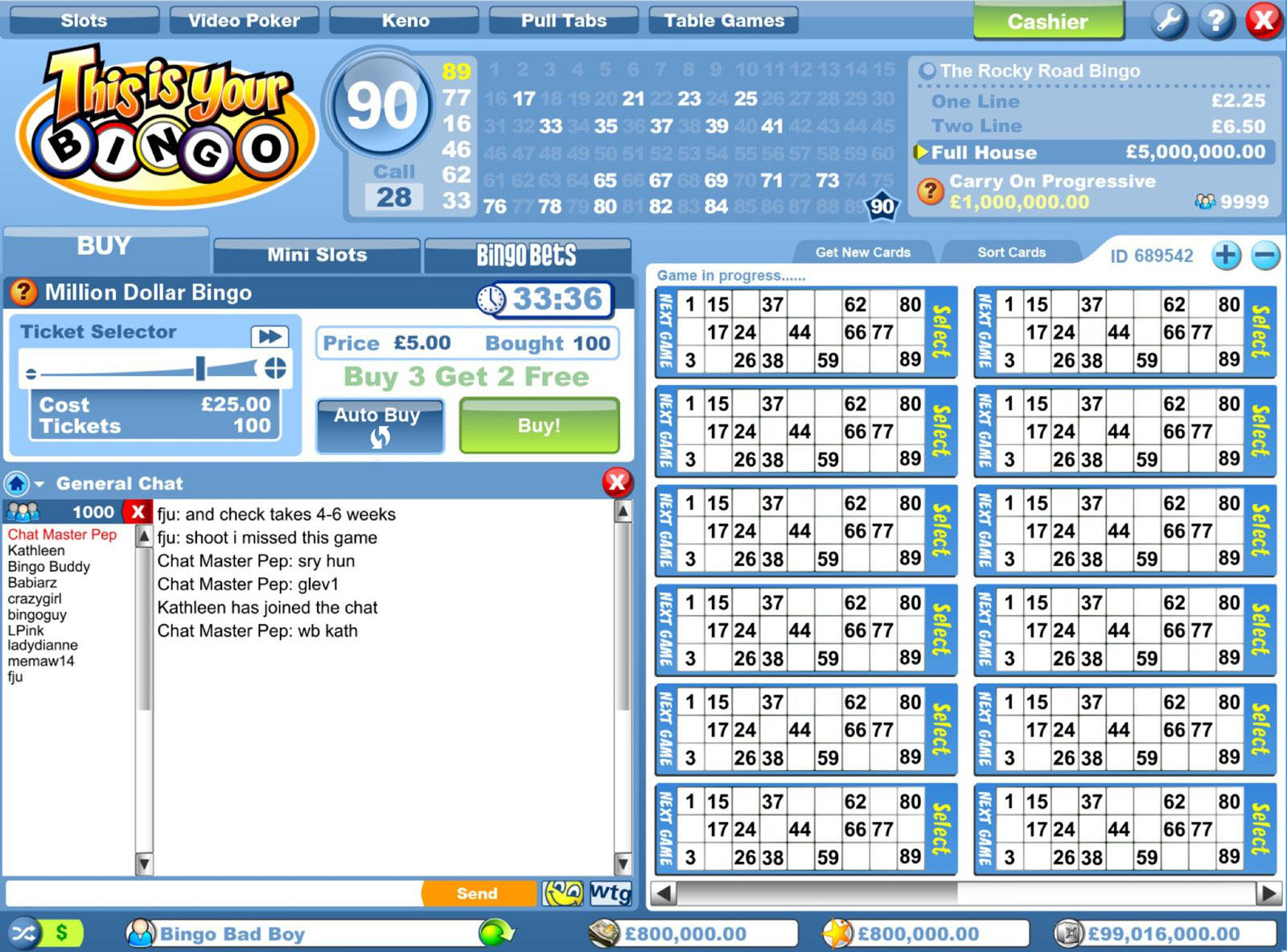
One platform, seventy casino brands.
Parlay Games didn't run a bingo site. It built and licensed the platform that other operators ran their bingo sites on: the games, the wallet, the chat, the promotions engine, the back office. Every operator brand needed its own look on the same machinery, in its own language, under its own regulator.
The figures below are the company's, not mine. They're here because they set the design constraints: nothing ships slow, nothing ships confusing, and nothing ships that a regulator can't audit.
When the team is small, the job is everything.
Game design, brand identity, logos, website design, game skins, sounds, promotions, sprites, animation, 3D, wireframes, user flows, GUI, research, prototyping, marketing, print, video, photography, custom fonts, documentation. That's not a services list, it's what one design seat covered as the platform grew, in whatever tool the era demanded, from Lightwave 3D to After Effects to hand-tuned sprite sheets.
The through-line was the runtime treadmill. Java applets gave way to Flash, Flash to HTML, HTML to native mobile, and each move meant rebuilding the same games without losing the players who paid for them. Being early on each transition was survival, not fashion.
Applet clients in the browser. Tiny asset budgets, every kilobyte argued over.
Animation, sound, and personality arrive. Sprites, motion design, dynamic text, multi-lingual builds.
The open web, and with it JSON-driven theming: one client, every operator's skin.
The same games in a pocket. Touch targets, portrait layouts, and app-store rules join the constraint list.
Bingo is a live system. Slots are staged worlds.
A bingo client is closer to a trading floor than to a card game: a caller, a board, a ticket market with a countdown, live chat, and win states that have to be legible across three purchased cards at once. Slots are the opposite discipline, one theme carried from logo through symbols to bonus round and pay table.
Six things happening at once, one legible screen.
The 90-ball client runs the caller, the board, a jackpot ticket rail, general chat, and the player's own cards simultaneously. The hierarchy rule: the ball being called and the card closest to winning always read first. Everything else waits its turn.
Full titles, art direction to pay table.
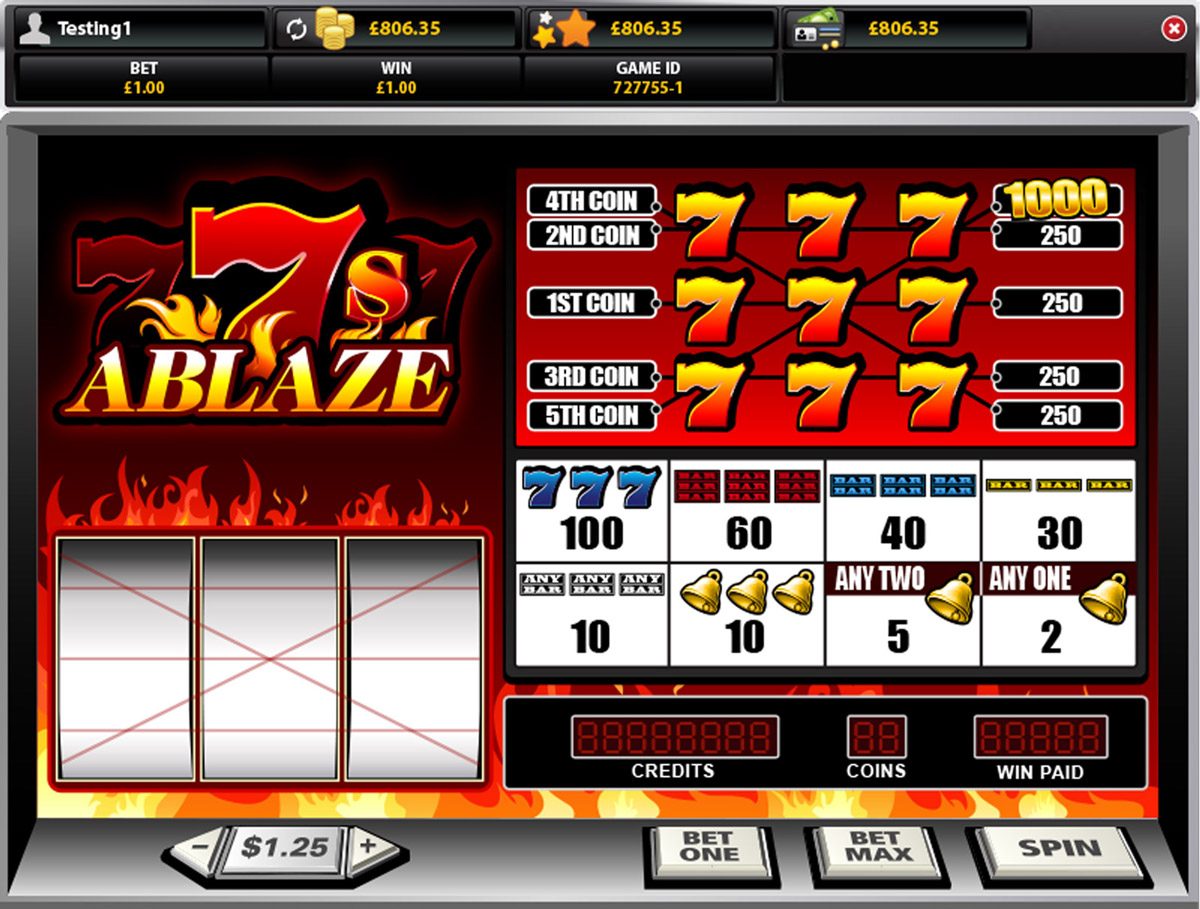
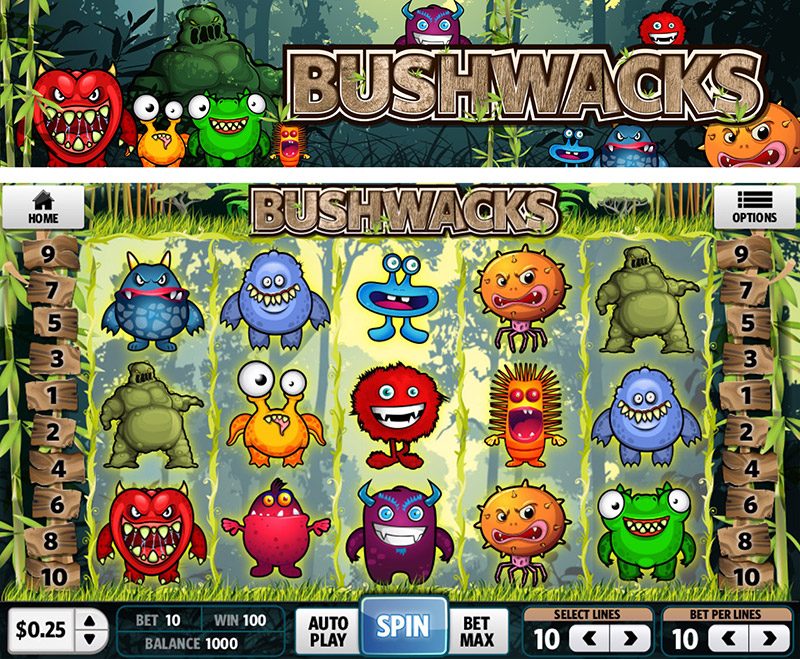
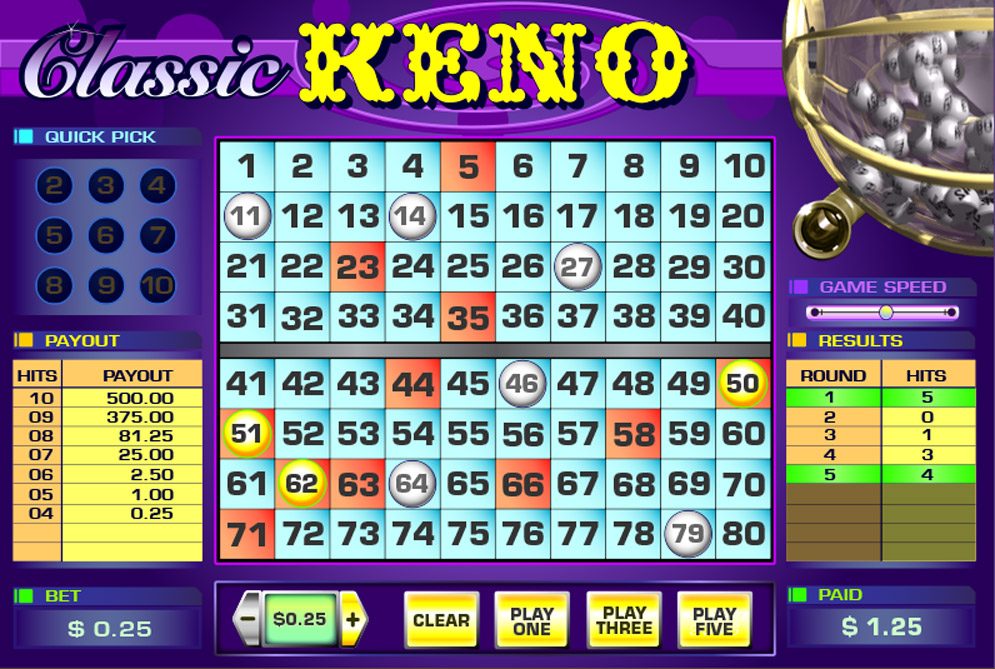
Five reels, five lines, nothing rigged.
The slots above shipped as staged worlds. This one runs right here, built for the case study with the platform's own avatar set as symbols. Five reels, three rows, five fixed paylines; a wild cardinal on reels 2–4; an owl scatter that pays anywhere and opens free spins at triple wins. Stops come from a cryptographic RNG over uniform reel strips whose exact composition is printed in the paytable: nothing is weighted, nudged, or staged.
It's also an argument. The research literature documents the tricks slots use to keep people playing: celebrated losses, engineered near-misses, weighted reels, autoplay. This machine leaves them out and labels the gaps: switch on Design notes and it annotates itself.
Player evidence, then the architecture.
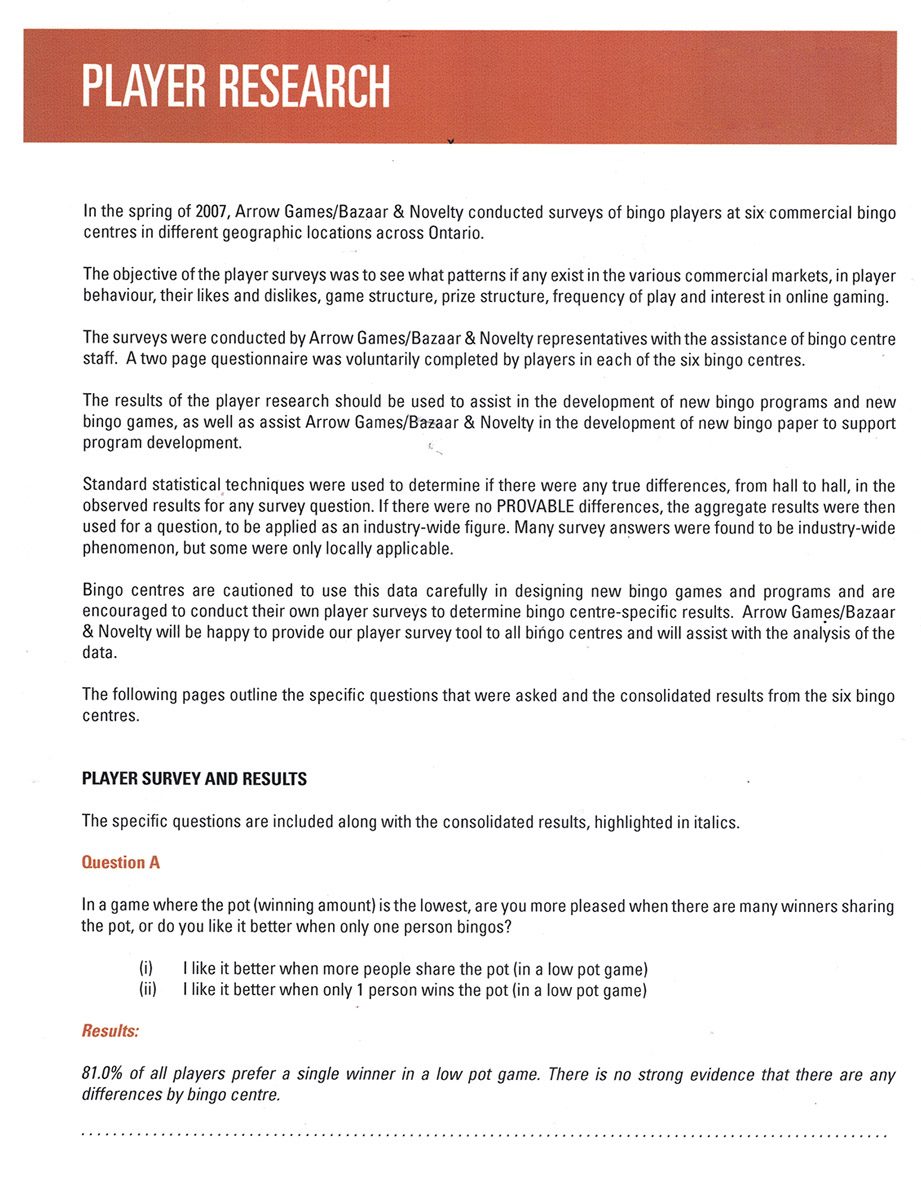
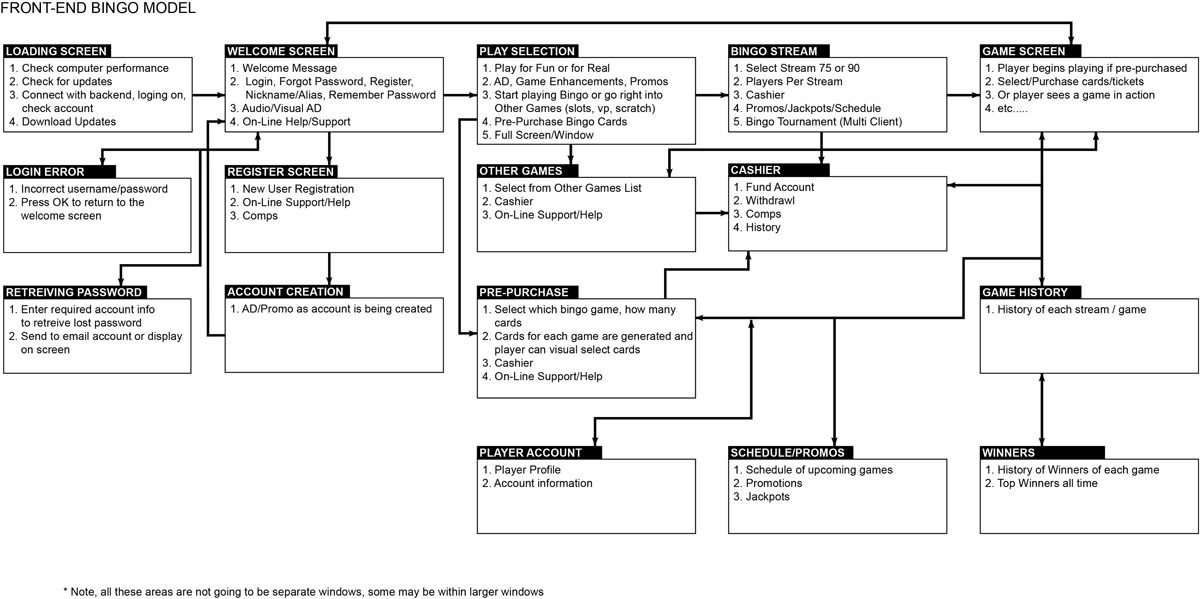
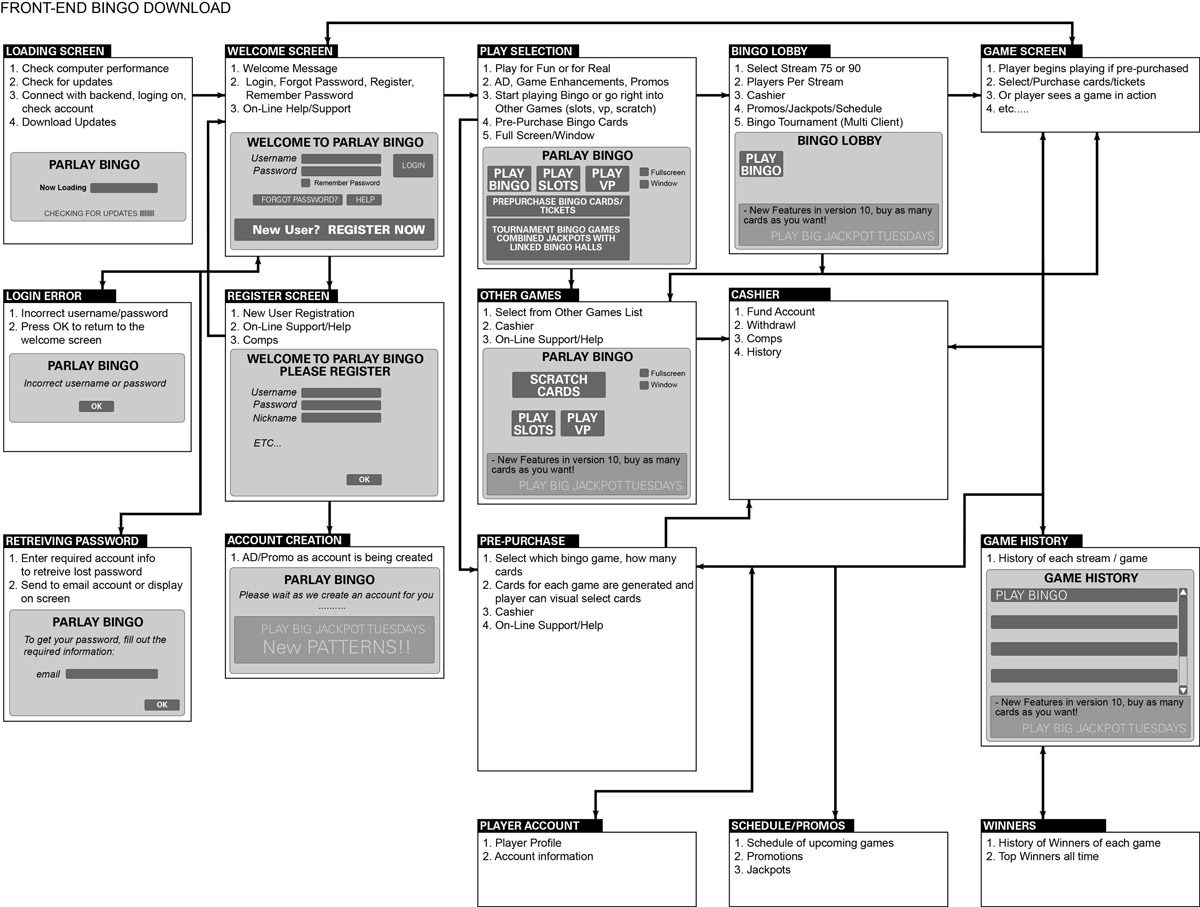
Game economics weren't guessed. A 2007 industry survey by Arrow Games and Bazaar & Novelty, run across six Ontario bingo centres, asked players what they actually preferred: 81% wanted a single winner in a low-pot game over a split, and hall players averaged 3.26 visits a week while playing online bingo only 0.42 times, the gap the product existed to close. Flows were drawn before screens: the whole client mapped as an information architecture, from loading to cashier.
Every brand arrived as a system.
Pow Wow Bingo, Titanium Gaming, Radio Bingo, and Sports Plays Poker for the games and operators; Keto Konnection and ChatterBox as brand commissions from the same seat. Each shipped as a kit: color and mono lockups, palette chips, type specimens, and where the game needed one, a mascot with a full pose sheet and a roughly 40-avatar player identity set.
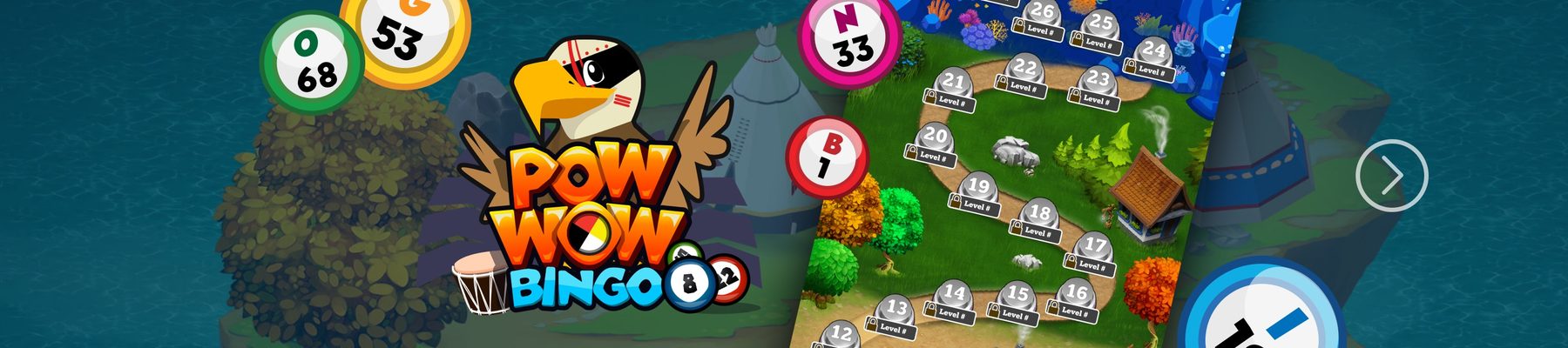
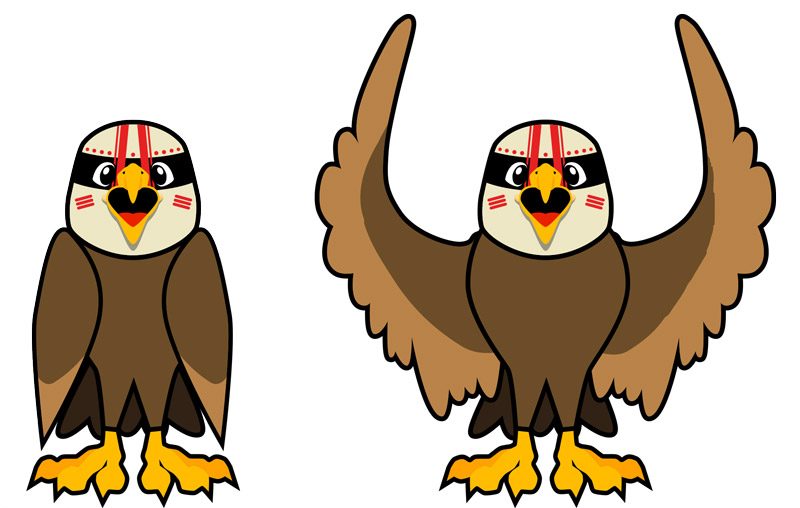

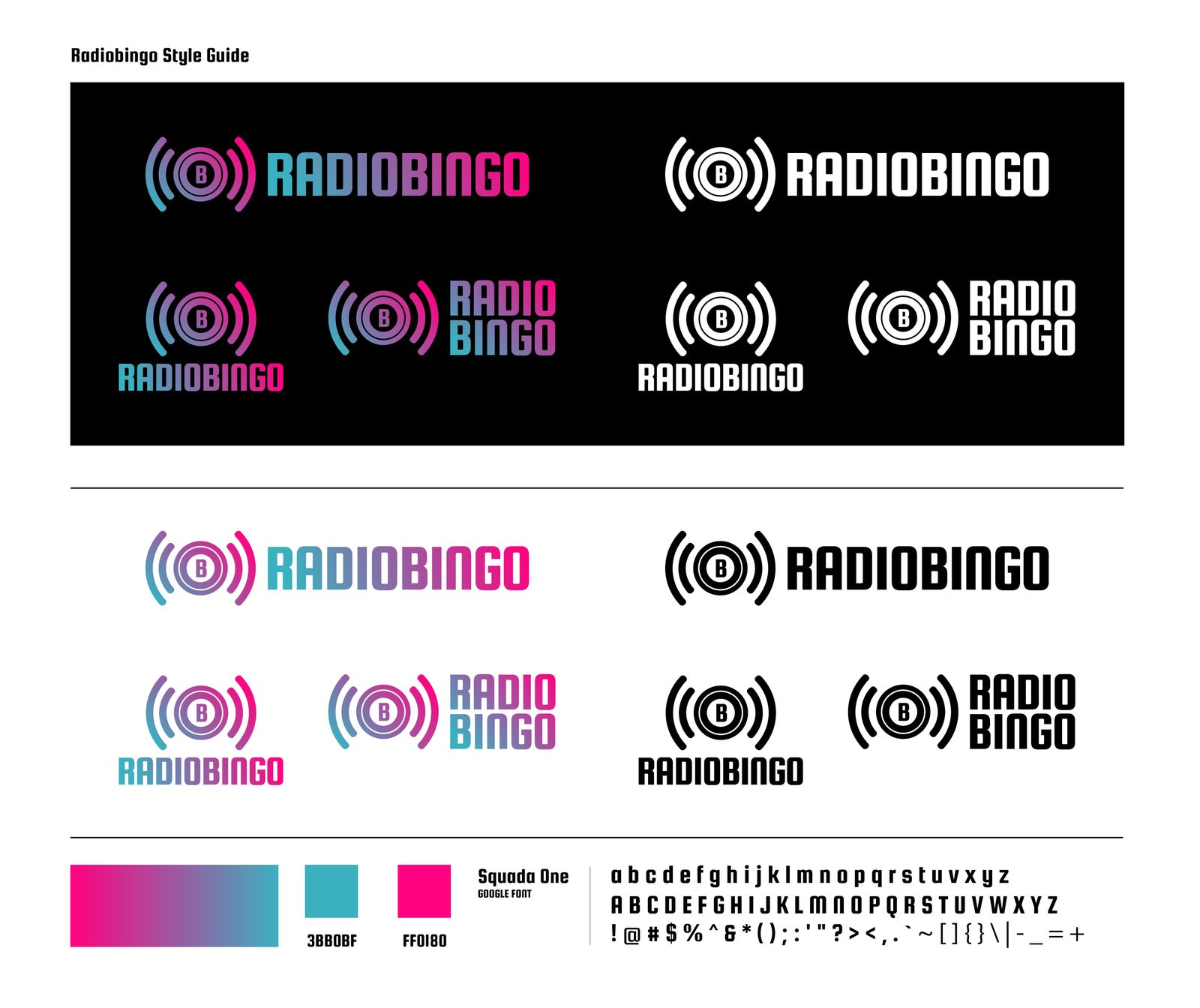
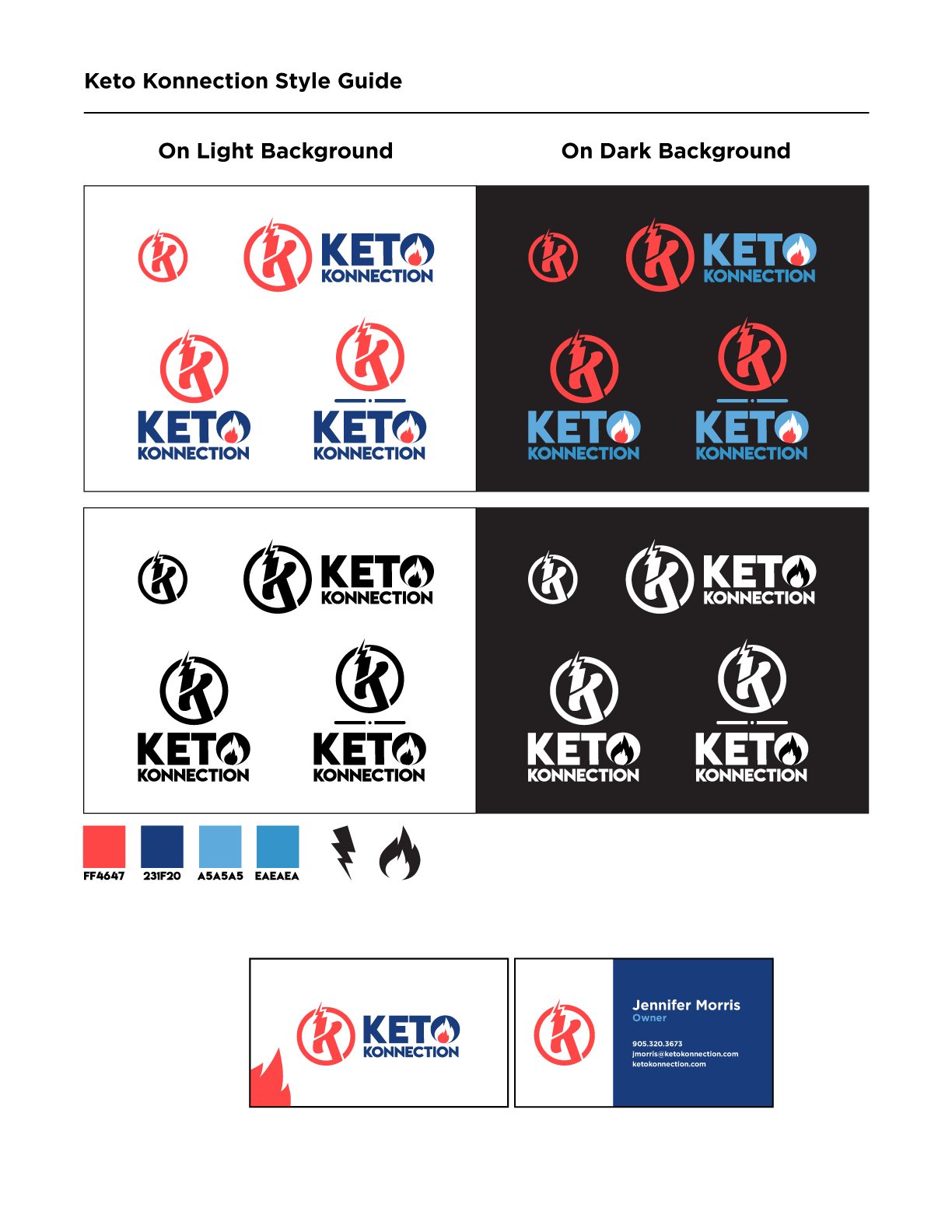
The avatar set is the quiet tell of the era: nearly forty distinct animals, one consistent outline weight, drawn one at a time. Player identity in a chat-driven game is brand work too.
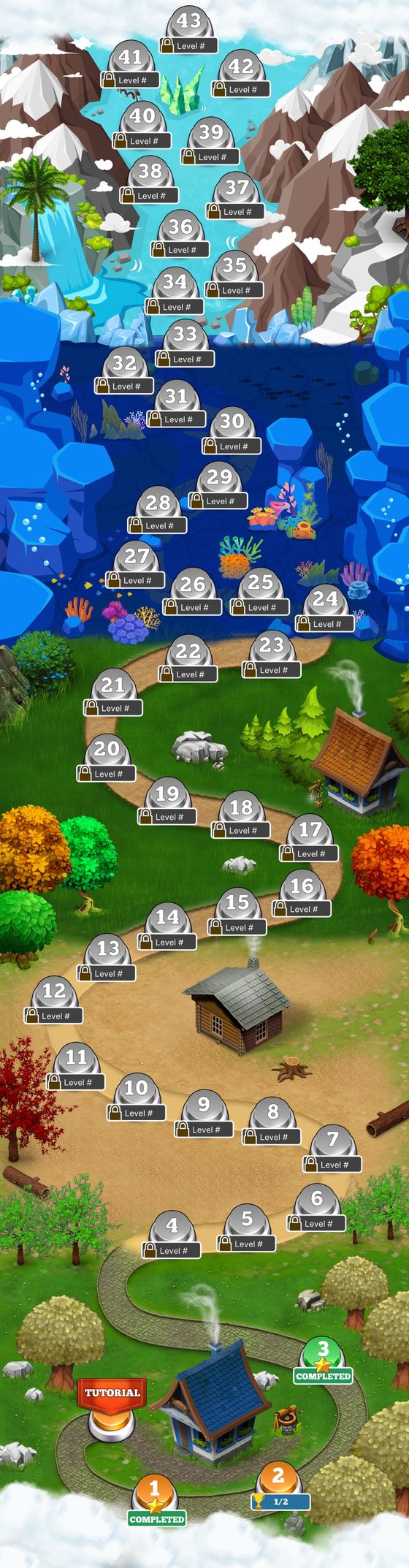
One client. Seventy faces.
Seventy operator brands can't each get a hand-built game. The answer was a themable client: every visual attribute of the HTML5 bingo client, loader, nav, balances, buttons, type, exposed as a documented JSON spec that a designer could fill per brand. Write the theme, ship the brand. It's the same design-token thinking that runs my later design-systems work, years earlier and with money on it.
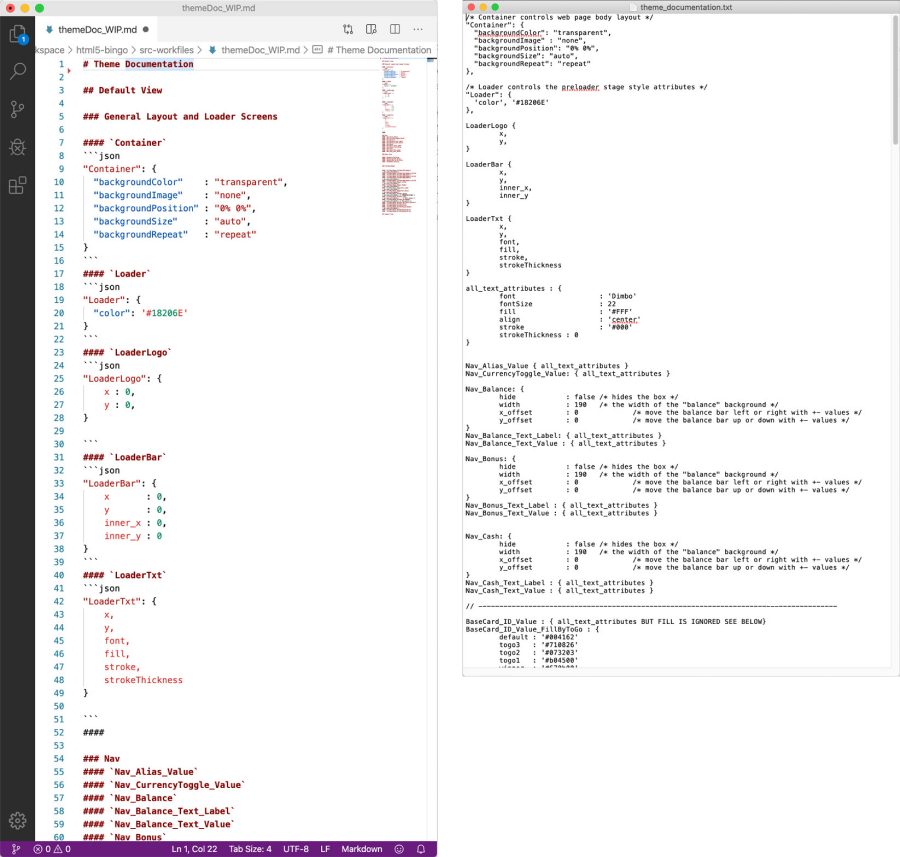
A new operator's bingo client went from an art project to a theme file: loader, logo, bar colors, text attributes, button states. The game logic never forked.
Name the attribute, document it, let the value vary per deployment. Swap "operator skin" for "design token" and it's the same discipline that later structured Keystone and this site.
Landing pages sell. Cashiers keep the lights on.
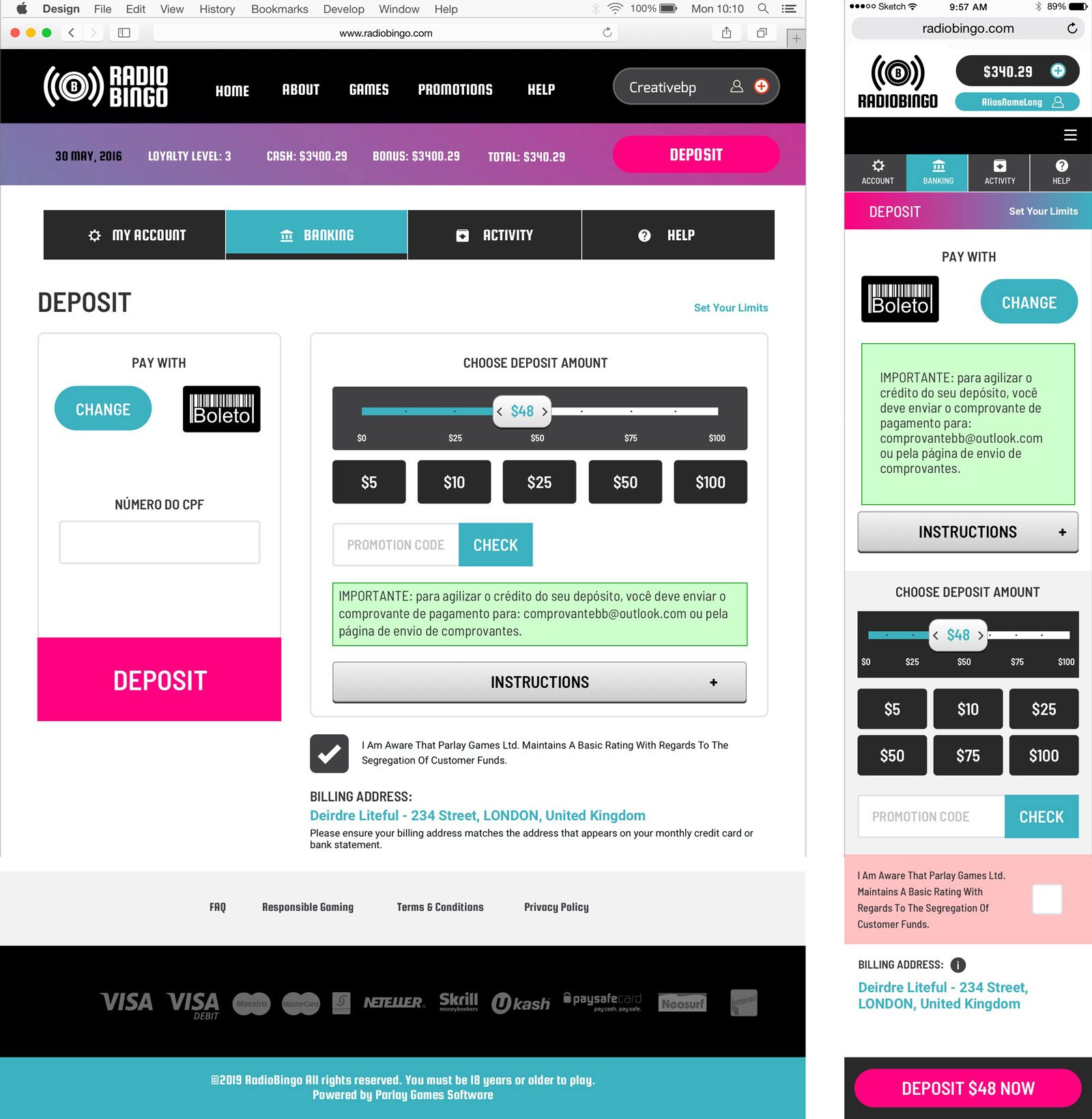
The player-facing web ran from casino landing pages through a full social platform, Wonder Bingo, with profiles, friends, gifts, and achievements, to the flows nobody screenshots: deposits. Brazil needed Boleto and a CPF field with Portuguese payment-proof rules; the UK needed cards and wallets. The cashier had to feel as designed as the games.

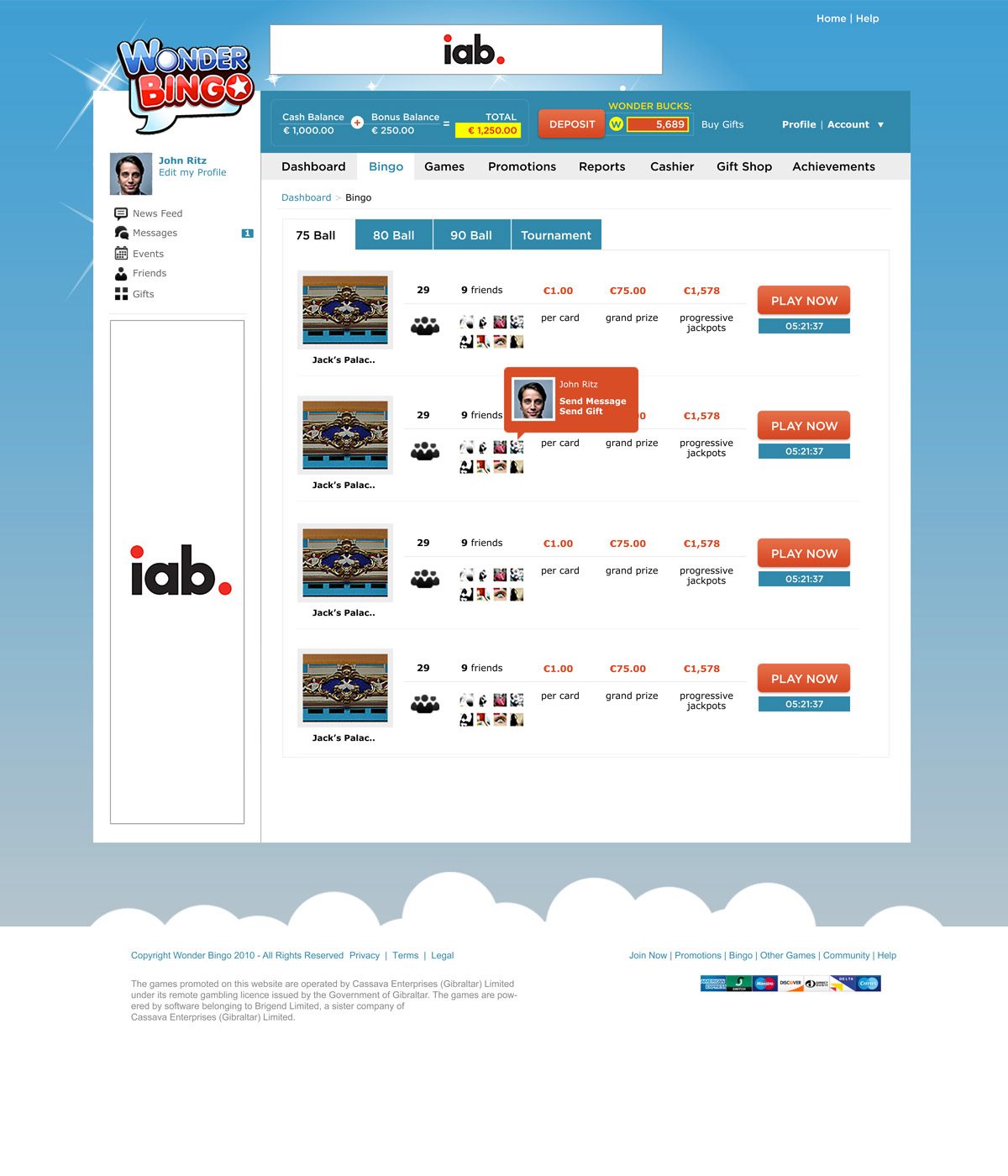
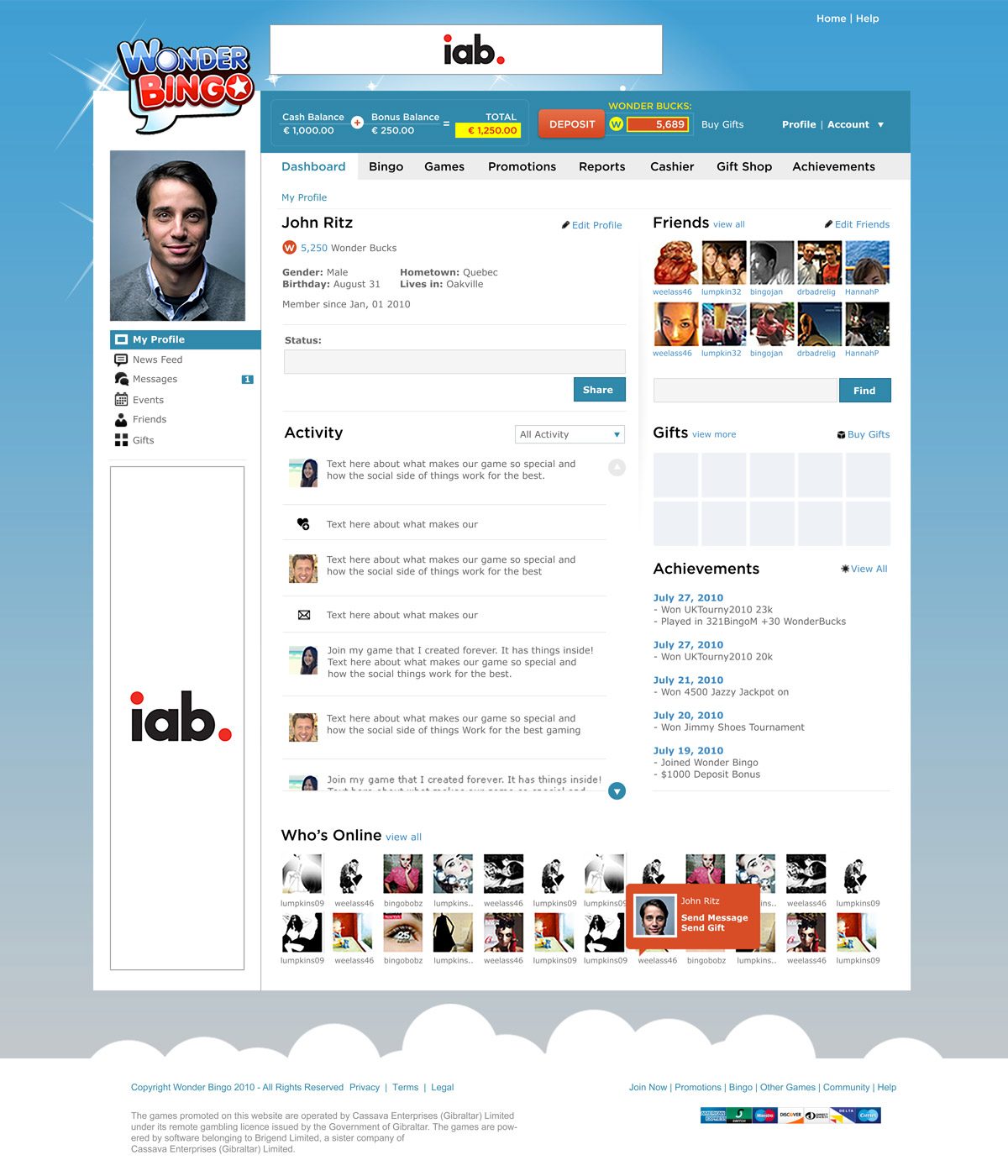
Wonder Bingo carried a full social graph, activity feed, friends, gifts, achievements, a who's-online strip, early for real-money play. The wheel-spin ladder rewarded consecutive days without touching the wallet.
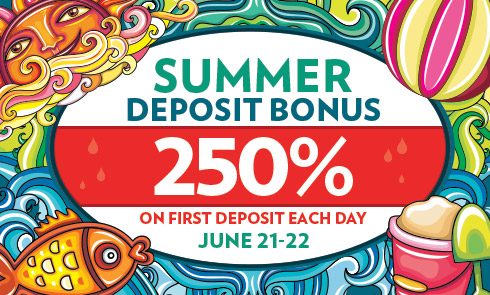
A year-round calendar, in three sizes.
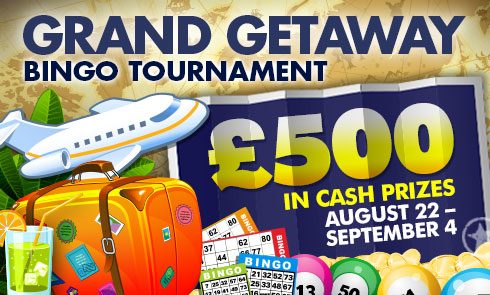
Hero banner, 490 by 295, 696 by 153. Those three production sizes carried the entire marketing calendar: tournaments, deposit bonuses, seasonal events, chat prizes. Concept, illustration, and copy per campaign, localized per market, Swedish national day for Sweden, Portuguese flows for Brazil, and shipped year-round. Volume is its own craft: the style could flex from painterly to cartoon to type-led, but the offer always read in one glance.








HouseEdge: the operator's cockpit.
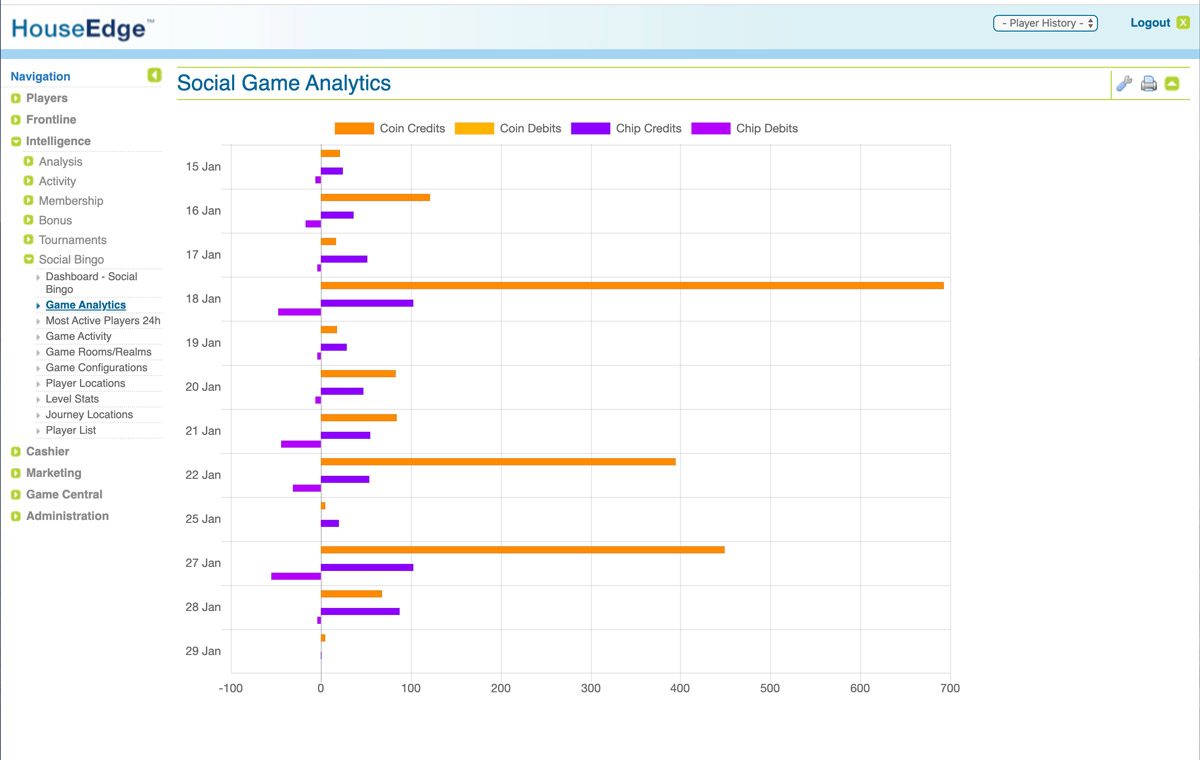
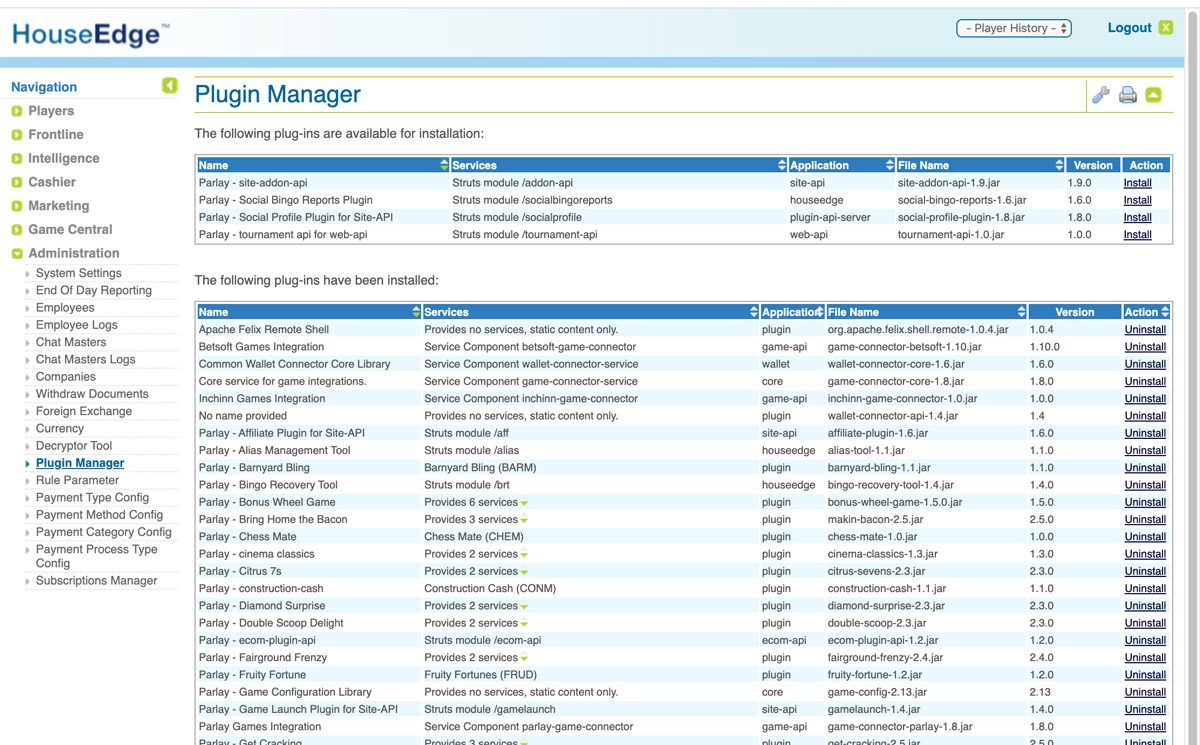
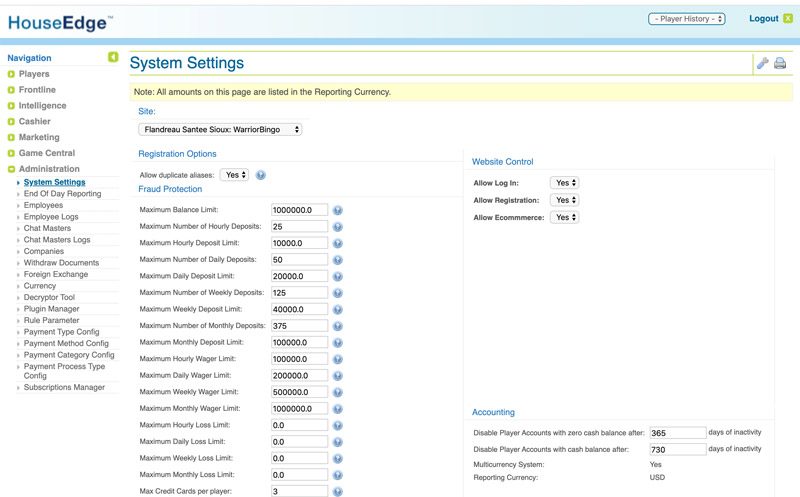
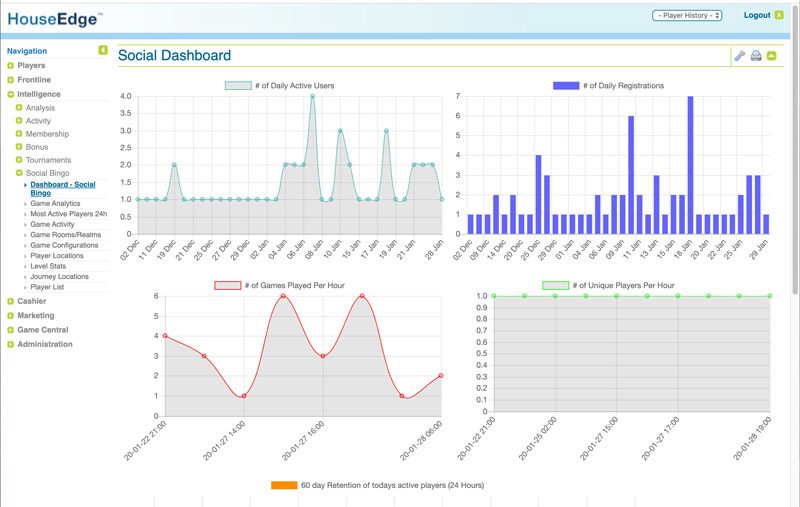
Behind every brand sat the same console: player management, fraud and deposit limits, plugin installs per operator, game-economy analytics, foreign exchange. Dense tables, thresholds, exports, roles. If that sounds like the SOC dashboards elsewhere on this site, that's the point, this is where that muscle got built.
When stock didn't exist, we rendered it.
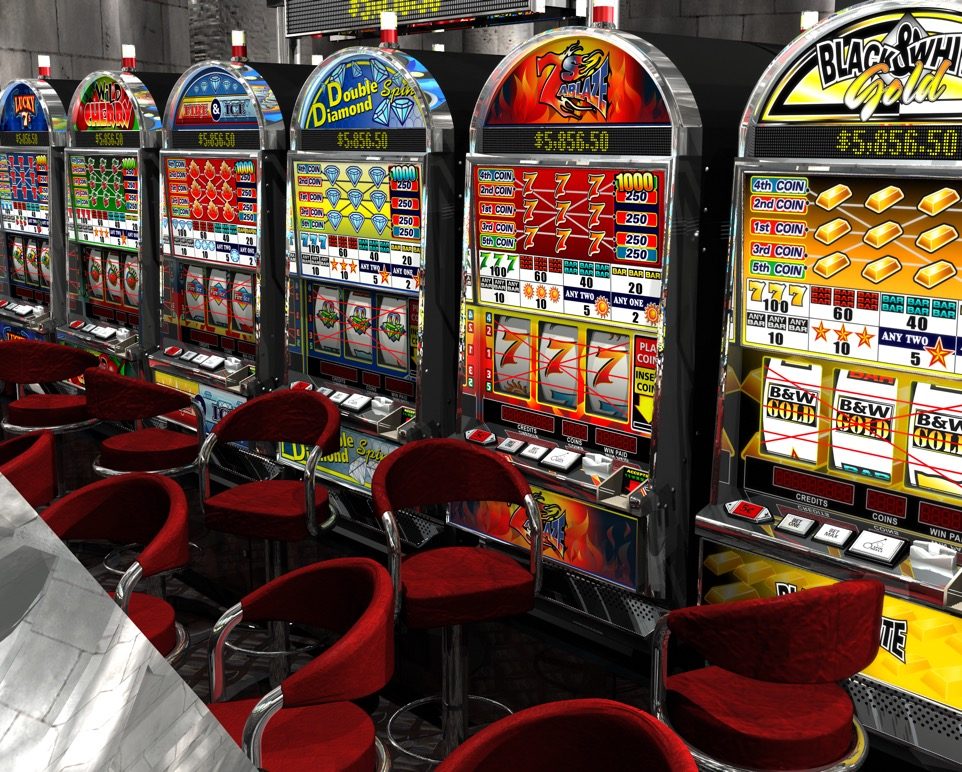
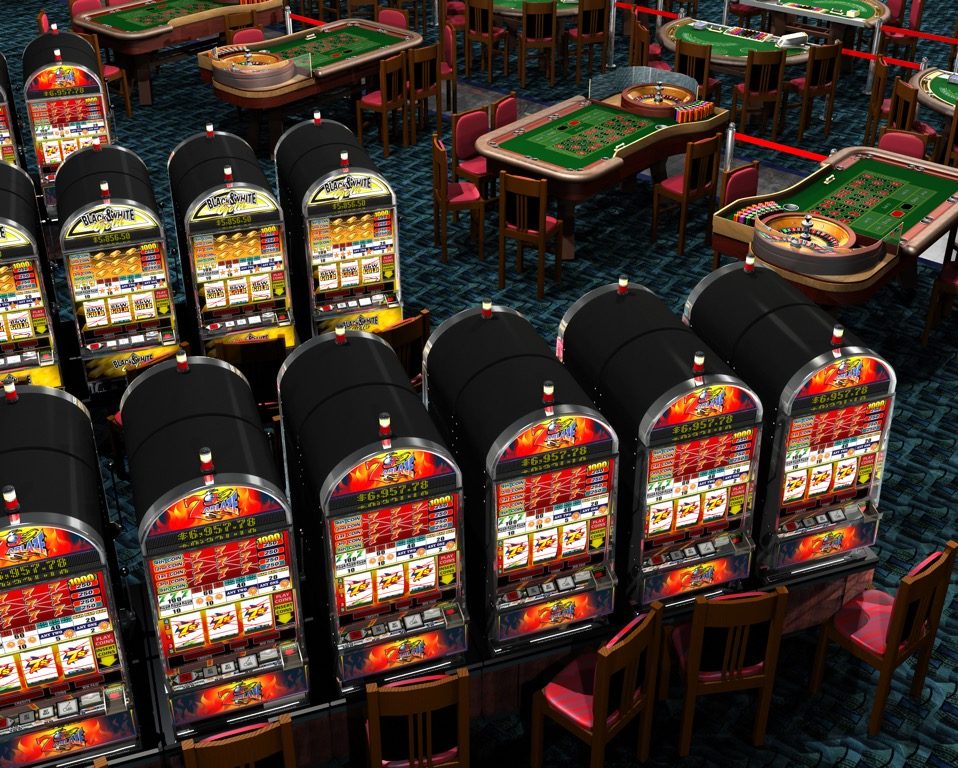
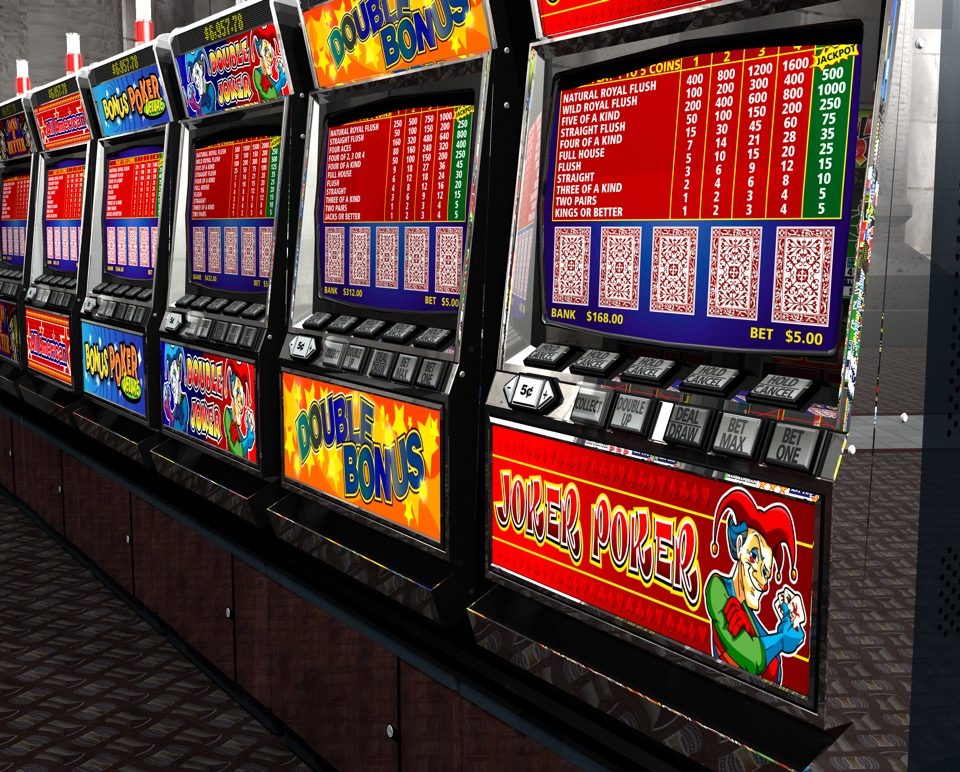
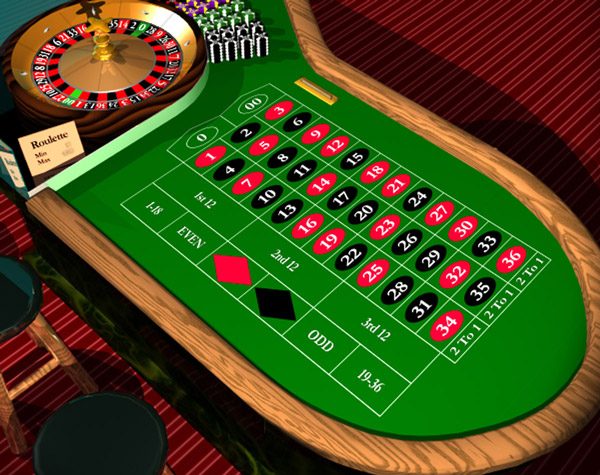
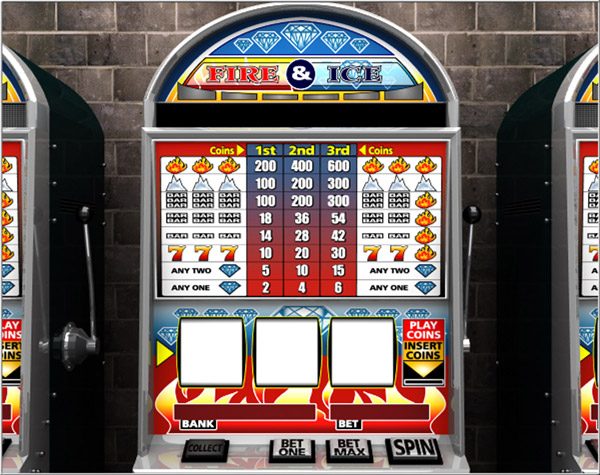
Casino floors, slot banks, table pits, and the in-game cabinet backgrounds the video poker titles ran on, all modelled and rendered in Lightwave 3D, with illustration and texture maps built in Illustrator and Photoshop. The pay tables are legible inside the renders because players read them there.
The floor changed. The stakes didn't.
Twenty years in regulated real-money gaming teaches habits that transfer whole: design for the worst machine on the floor, document every skinnable attribute, treat limits and audit trails as first-class UI, ship on a calendar that doesn't slip, and never let a screen be confusing when money is moving. Those habits went on to shape connected-lighting security at Cooper, SOC dashboards, and the geospatial C2 work elsewhere on this site.
The domains look unrelated. The job is the same: high-consequence systems, operated live, by people who need the interface to tell the truth fast.